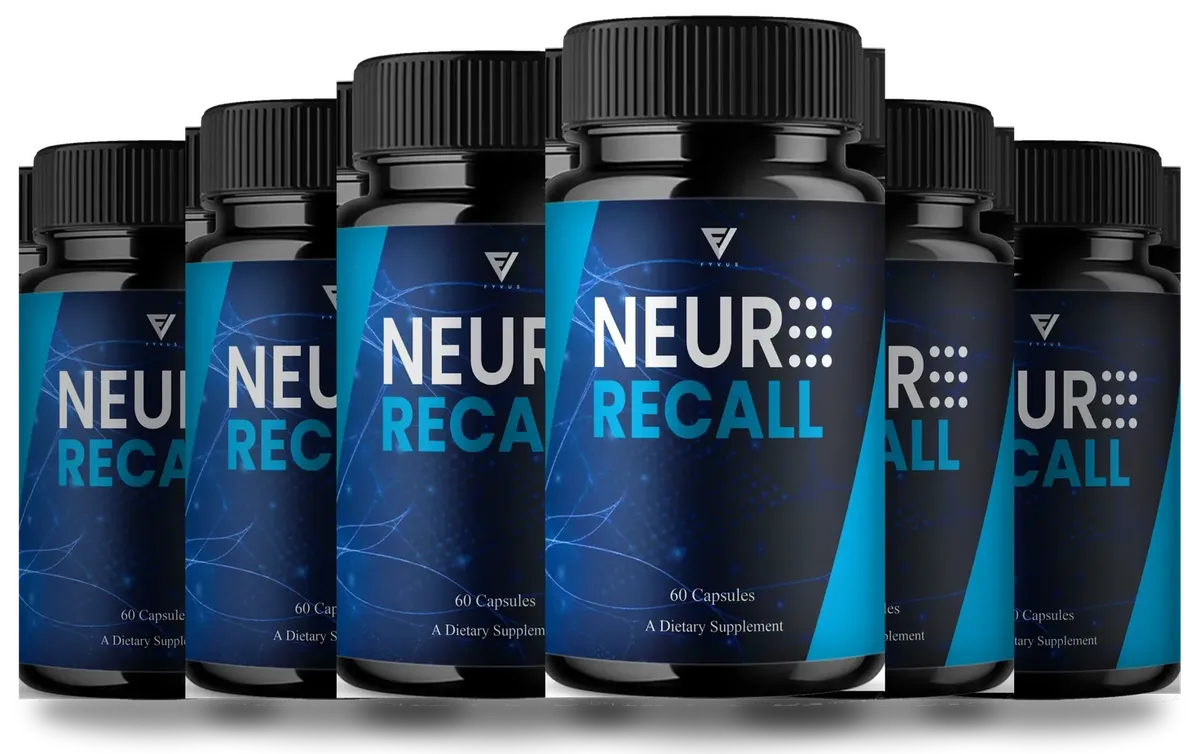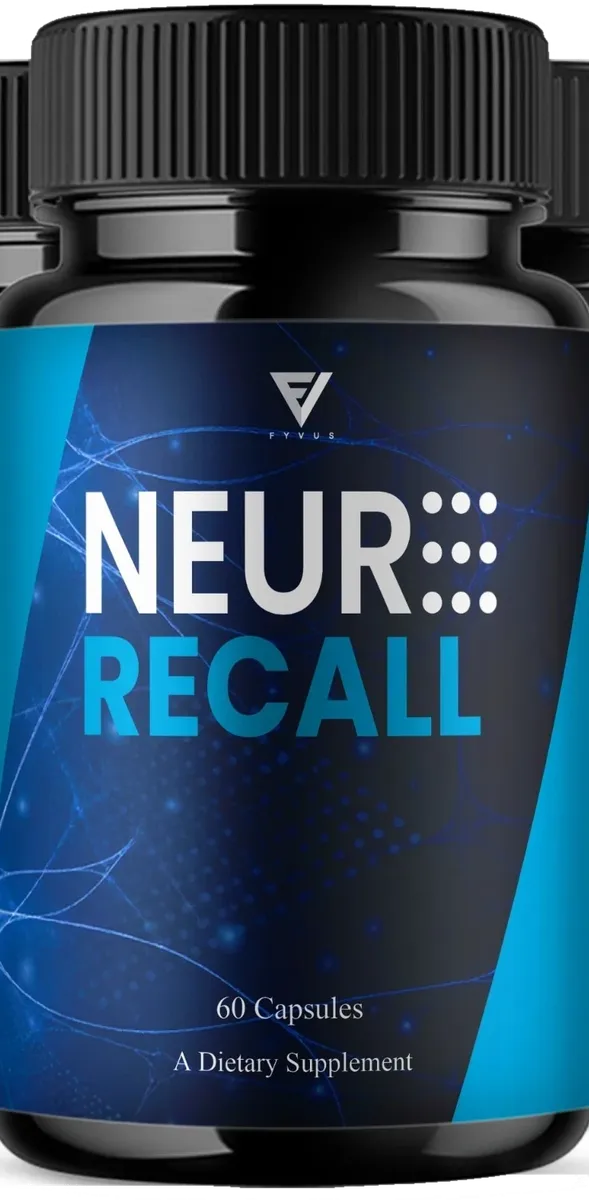
Neuro Recall Ingredients: The Full List With Amounts
Quick answerNeuro Recall combines four vitamins and minerals with a 635 mg blend of ten herbs and nutrients in each 2-capsule serving.
The four printed amounts are vitamin B12 240 mcg, folate 600 mcg DFE, magnesium 250 mg and chromium 120 mcg. The blend includes cinnamon, ginkgo, bilberry, bacopa, green tea extract, berberine, L-theanine, alpha lipoic acid, alpha-GPC, and lutein with zeaxanthin.
Want the label itself? See the Supplement Facts panel.
- Refund terms shown at checkout
- Shipping cost shown before you pay
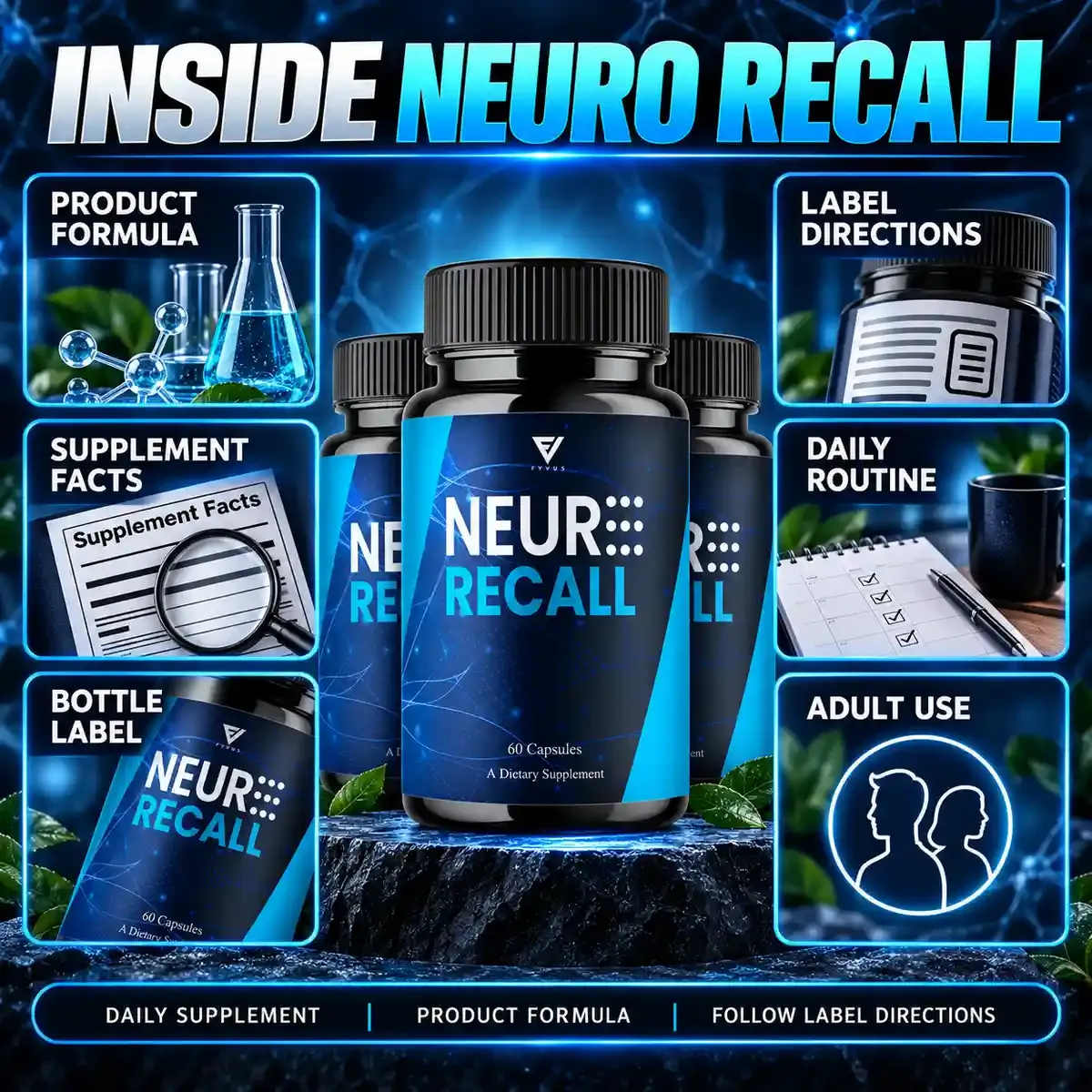
What is inside each Neuro Recall serving?
A serving is 2 capsules. It has two parts: four vitamins and minerals with exact amounts, and a 635 mg blend of ten items. The cards below follow the order printed on the label.
Four blend items have their own pages: ginkgo biloba, bacopa monnieri, L-theanine and alpha lipoic acid. The remaining six each get a short section below.
Cinnamon Bark Extract
Cinnamomum spp. barkAt least 63.5 mg per 2-capsule servingFirst on the blend list, so the heaviest share of the 635 mg. NCCIH finds no condition clearly helped by cinnamon.About Cinnamon Bark on our ingredients page02Herbal extractGinkgo Biloba Leaf Extract
Ginkgo biloba leafUp to 317.5 mg per 2-capsule servingSecond on the list. A six-year trial of over 3,000 older adults saw no fall in dementia with ginkgo, which also adds bleeding risk.Read the full Ginkgo Biloba Leaf page03Berry extractBilberry Fruit Extract
Listed as Vaccinium cyanococcus fruitUp to 211.7 mg per 2-capsule servingThird on the list. The Latin name printed, Vaccinium cyanococcus, usually means blueberry rather than bilberry.About Bilberry Fruit on our ingredients page04Herbal extractBacopa Monnieri Extract
Whole plant, not less than 20% bacosidesUp to 158.8 mg per 2-capsule servingFourth on the list. Trials gave about 300 mg a day for at least 12 weeks and saw small gains in attention speed only.Read the full Bacopa Monnieri page05Tea extractGreen Tea Leaf Extract
Not less than 50% EGCGUp to 127 mg per 2-capsule servingFifth on the list, standardized to EGCG. Extract pills have been tied to rare liver injury.About Green Tea Leaf on our ingredients page06Plant alkaloidBerberine HCl
Berberine hydrochlorideUp to 105.8 mg per 2-capsule servingSixth on the list. Mostly researched for blood sugar, and it clashes with several prescriptions.About Berberine HCl on our ingredients page07Amino acidL-Theanine
Amino acid found in teaUp to 90.7 mg per 2-capsule servingSeventh on the list. An amino acid from tea leaves with limited human data; it can add to sleep medicines.Read the full L-Theanine page08AntioxidantAlpha Lipoic Acid
ALA (printed “Alpa” on the label)Up to 79.4 mg per 2-capsule servingEighth on the list. Can pull blood sugar down, which matters with diabetes medicine.Read the full Alpha Lipoic Acid page09Choline sourceGPC Choline (Alpha-GPC)
Alpha-glycerophosphorylcholineUp to 70.6 mg per 2-capsule servingNinth on the list. A choline form whose benefit for healthy adults is still unclear.About GPC Choline (Alpha-GPC) on our ingredients page10CarotenoidsLutein & Zeaxanthin
Marigold flower extractUp to 63.5 mg per 2-capsule servingLast on the list. Eye pigments; the big eye study used 10 mg lutein plus 2 mg zeaxanthin.About Lutein & Zeaxanthin on our ingredients pageThe vitamin and mineral base: four exact amounts
These four lines are the only amounts printed one by one. Add them to any multivitamin or B-complex a parent already takes.
| Nutrient | Per 2 capsules | % Daily Value | What to know | Source |
|---|---|---|---|---|
| Vitamin B12 | 240 mcg | 10,000% | Adults need 2.4 mcg a day. Low B12 can cause memory trouble, so a blood test answers more than a capsule. | (NIH ODS, Vitamin B12) |
| Folate | 600 mcg DFE (320 mcg folic acid) | 150% | Below the 1,000 mcg folic acid limit, but add up every multivitamin and fortified cereal too. | (NIH ODS, Folate) |
| Magnesium | 250 mg (oxide) | 60% | Supplements should stay under 350 mg a day in total; more tends to loosen the bowels. | (NIH ODS, Magnesium) |
| Chromium | 120 mcg (picolinate) | 343% | Can push blood sugar lower when taken with insulin or diabetes pills. | (NIH ODS, Chromium) |
The full panel, retyped
Supplement Facts
Serving Size: 2 Capsules
Servings Per Container: 30
| Amount per serving | %DV | |
|---|---|---|
| Folate (as 320 mcg folic acid) | 600 mcg DFE | 150% |
| Vitamin B12 (as cyanocobalamin) | 240 mcg | 10,000% |
| Magnesium (as magnesium oxide) | 250 mg | 60% |
| Chromium (as chromium picolinate) | 120 mcg | 343% |
| WMG-NVT Exclusive Blend | 635 mg | † |
- Cinnamon Bark Extract
- Ginkgo Biloba Leaf Extract
- Bilberry Fruit Extract
- Bacopa Monnieri Extract
- Green Tea Leaf Extract
- Berberine HCl
- L-Theanine
- Alpha Lipoic Acid
- GPC Choline (Alpha-GPC)
- Lutein & Zeaxanthin
† Daily Value not established.
Other ingredients: BSE-free gelatin (capsule), rice flour, silicon dioxide, magnesium stearate.
Retyped from the label photo so you can read and search it. If anything differs, trust the bottle you hold.
The Supplement Facts page shows the label image with notes.
How much of each blend item can a serving hold?
Only the 635 mg total is printed. Federal rules allow this, as long as blend items are listed from heaviest to lightest (21 CFR 101.36). So the item in place 4 can weigh no more than 635 divided by 4.
The bar shows those ceilings. Cinnamon is the only item with a floor: at least 63.5 mg.
- Cinnamon Bark Extract At least 63.5 mg
- Ginkgo Biloba Leaf Extract Up to 317.5 mg
- Bilberry Fruit Extract Up to 211.7 mg
- Bacopa Monnieri Extract Up to 158.8 mg
- Green Tea Leaf Extract Up to 127 mg
- Berberine HCl Up to 105.8 mg
- L-Theanine Up to 90.7 mg
- Alpha Lipoic Acid Up to 79.4 mg
- GPC Choline (Alpha-GPC) Up to 70.6 mg
- Lutein & Zeaxanthin Up to 63.5 mg
Honest note: how the doses compare with the research
Ten items in 635 mg means small amounts. Ginkgo failed in the largest trial even at a full dose. Bacopa tops out near half the studied amount, and the Neuro Recall capsule has no published study.
| Ingredient | Neuro Recall (per serving) | Doses used in studies | Gap | Source |
|---|---|---|---|---|
| Cinnamon Bark Extract | 63.5-635 mg (share of blend) | No dose shown to help a condition | Not comparable | (NCCIH, Cinnamon) |
| Ginkgo Biloba Leaf Extract | Up to 317.5 mg | 240 mg a day (120 mg twice daily) in GEM | Could match; no dementia benefit found | (Snitz et al., JAMA 2009) |
| Bilberry Fruit Extract | Up to 211.7 mg | Up to 160 mg a day was well tolerated | Not a memory dose | (NCCIH, Bilberry) |
| Bacopa Monnieri Extract | Up to 158.8 mg | About 300 mg a day for 12+ weeks | About half at most | (Kongkeaw et al., 2014) |
| Green Tea Leaf Extract | Up to 127 mg | No memory dose established | Not comparable | (NCCIH, Green tea) |
| Berberine HCl | Up to 105.8 mg | Studied mainly for blood sugar | Not a memory ingredient | (MSKCC, Berberine) |
| L-Theanine | Up to 90.7 mg | Limited human data | Unclear | (MSKCC, L-theanine) |
| Alpha Lipoic Acid | Up to 79.4 mg | Studied mainly for blood sugar and nerves | Not a memory ingredient | (MSKCC, Alpha-lipoic acid) |
| GPC Choline (Alpha-GPC) | Up to 70.6 mg | Benefit for healthy adults unclear | Unclear | (WebMD, Alpha-GPC) |
| Lutein & Zeaxanthin | Up to 63.5 mg combined | 10 mg + 2 mg a day in an eye study | Eye study, not memory | (NEI, AREDS and AREDS2) |
Bacopa monnieriAbout half at most
Ginkgo bilobaDose not the problem
In the largest ginkgo trial, 240 mg a day for about six years did not lower dementia rates, so a bigger dose is not the missing piece. (Snitz et al., JAMA 2009)
Vitamin B12100x the RDA
240 mcg equals one hundred times the daily need of 2.4 mcg. It fixes a shortfall; it has not been shown to sharpen memory beyond that. (NIH ODS, Vitamin B12)
Whole blend635 mg for 10 items
Ten herbs and nutrients split 635 mg, so most of them can only be present in small amounts. (21 CFR 101.36)
Cinnamon bark extract: first on the list
Cinnamon is listed first, so a serving holds at least 63.5 mg and possibly much more. The label prints Cinnamomum spp., so you cannot tell if it is cassia or Ceylon.
NCCIH finds no clear support for cinnamon in treating any condition (NCCIH, Cinnamon). Coumarin in cassia is tied to liver effects. Liver disease or diabetes drugs? Ask a doctor first.
Bilberry fruit extract: a berry with a naming question
Bilberry is third, so a serving can hold up to 211.7 mg. The label prints Vaccinium cyanococcus, which is usually the name for blueberry.
No condition has been clearly shown to improve with bilberry (NCCIH, Bilberry). Up to 160 mg a day for six months was well tolerated.
Green tea leaf extract: watch the liver
Green tea extract is fifth, so up to 127 mg. It is standardized to at least 50% EGCG. The label does not state any caffeine content.
NCCIH notes uncommon reports of liver damage tied to green tea extract in pill form (NCCIH, Green tea). Dark urine, yellowing skin or eyes, or belly pain mean stop and call a doctor.
Berberine HCl: the one most likely to clash with medicine
Berberine is sixth, so up to 105.8 mg. It is a plant compound studied mainly for blood sugar, not memory.
It can interact with cyclosporine, tacrolimus, diabetes drugs and medicines cleared by liver enzymes (MSKCC, Berberine). It should be avoided in pregnancy and breastfeeding. Our article on berberine and diabetes medicine lists questions for the pharmacist.
GPC choline (alpha-GPC): a choline source
Alpha-GPC is ninth, so up to 70.6 mg. It is a form of choline.
Benefits for healthy adults are unclear, and stomach upset is a known side effect (WebMD, Alpha-GPC). Some research links long-term use to a higher stroke risk. Sudden numbness, confusion or trouble speaking means call 911 (CDC, Stroke signs).
Lutein and zeaxanthin: two marigold carotenoids at the end
These two carotenoids come from marigold flowers. They are last, so up to 63.5 mg combined, split in an unknown way.
The well-known AREDS2 eye study used 10 mg lutein and 2 mg zeaxanthin a day in people with macular degeneration (NEI, AREDS and AREDS2). That was an eye study, not a memory study. If a parent already takes an eye vitamin, tell the eye doctor.
What to write on a parent's medicine list
Bring this list and the bottle to the pharmacist
- Blood thinners, aspirin or a planned surgery: ginkgo may raise bleeding risk
- Insulin, metformin or other diabetes medicine: chromium, berberine, ALA and cinnamon may lower blood sugar
- Transplant drugs or many prescriptions: berberine interacts with several
- Sleep aids or sedatives: L-theanine may add to drowsiness
- Thyroid medicine: chromium may reduce levothyroxine absorption
- Liver disease: green tea extract and cassia cinnamon
- Pregnancy or breastfeeding: the bottle warns against use
Watch for stomach upset, loose stools from magnesium oxide, shakiness from low blood sugar, or easy bruising. Every caution is gathered on our side effects page. For the bigger picture, see the caregiver memory guide.
Label questions about Neuro Recall ingredients
What ingredients are in Neuro Recall?
Four nutrients with set amounts (B12, folate, magnesium, chromium) plus a 635 mg blend of ten herbs and nutrients led by cinnamon and ginkgo. The capsule is gelatin.
What is the ginkgo ceiling in one Neuro Recall serving?
No more than 317.5 mg per serving, because ginkgo is second of ten in the 635 mg blend. The real amount is not printed and could be lower.
Is there any caffeine hiding in the green tea extract?
The label does not list caffeine, but it does contain green tea leaf extract. If you avoid caffeine, ask the order desk first.
I take metformin. Which Neuro Recall items matter for me?
Four items carry a blood-sugar caution: chromium, berberine, alpha lipoic acid and cinnamon. If a parent takes insulin, metformin or another diabetes medicine, ask the doctor before the first capsule.
Is it bilberry or blueberry in Neuro Recall?
The label says bilberry but prints the botanical name Vaccinium cyanococcus, which usually means blueberry. Either way, neither berry has been shown to help memory.
Can I take Neuro Recall with an AREDS2 eye vitamin?
Ask your eye doctor first. Both contain lutein and zeaxanthin, so bring both bottles to the visit so the totals can be checked.
Which cinnamon does Neuro Recall use, cassia or Ceylon?
The label does not say. It prints Cinnamomum spp., which can mean either. Cassia carries more coumarin, which is linked to liver effects.
Does Neuro Recall have phosphatidylserine or rhodiola?
Not on the label in the brand images. Review pages that list them likely describe a different formula.
Ready to try Neuro Recall?
Two capsules once a day, a full printed label, and the price shown on the checkout before you pay. Buying for a parent? Show the label to their doctor or pharmacist first.