Neuro Recall Editorial Standards: How Every Page Is Checked
Quick answerEvery Neuro Recall page starts from the printed label. Each health statement must link a government agency, a cancer center reference or a peer-reviewed study. A second person checks every number. Missing facts are written as not published, never guessed. Medical review by Dr. James Bateman III, MD is shown at the bottom of each page.
- Refund terms shown at checkout
- Shipping cost shown before you pay
What do we promise readers?
We promise to tell you what is on the Neuro Recall label, what the research says about it, and what we could not find. Each page aims to answer one question well, in plain words.
Many readers here are older adults with a memory worry, or their grown children. A wrong page could delay a doctor visit or cause a risky mix with a medicine. So we hold health pages to a stricter bar than a typical product page.
Five promises on every page
- Every number traced to the label or a linked source
- Safety cautions on every page where they apply
- Missing facts written as not published
- No invented reviews, ratings or endorsements
- A visible date each time a page changes
Our source ladder, from label to news report
We rank sources. The label comes first, because it is what is in the bottle. Next come government agencies, then clinical references, then peer-reviewed studies.
| Rank | Examples | What we use it for |
|---|---|---|
| 1. The printed label | Supplement Facts panel and back label images | Every amount, warning and direction. The label wins over any other source. |
| 2. Government health agencies | NIH Office of Dietary Supplements, NCCIH, CDC, FDA, FTC | Safe limits, interactions, warning signs and buyer rules |
| 3. Clinical references | Memorial Sloan Kettering herb pages, National Eye Institute | Interactions and what an ingredient was studied for |
| 4. Peer-reviewed studies | Large trials and reviews of several trials | What the research found, and at what dose |
| 5. Patient groups and consumer reports | Alzheimer's Association, Better Business Bureau, MalwareTips | Warning signs and reported scams, always worded as reported |
| Not used as proof | Brand marketing graphics, ads, celebrity videos, anonymous reviews | Mentioned only to explain what they are |
How a page goes from draft to live
Words and claims we never use
Some words promise more than any supplement can deliver. The FTC expects health claims to be backed by sound science (FTC, Health Products Compliance Guidance). And no supplement needs FDA approval to go on sale (FDA, Q&A on Dietary Supplements).
Words we use
- Studied for, with a source
- Not published, when a fact is missing
- Reported, for scam reports
- Ask your doctor first, with the reason
- Small amount, when label math shows it
Words we never use
- Improves, restores, boosts or protects memory
- Prevents or treats dementia, Alzheimer's or brain fog
- Detox, clinically proven, approved by the FDA
- Doctor recommended, number one, top pick
- Any quote from a celebrity
How do we handle facts we cannot find?
The phrase not published goes in, along with the places we searched. A blank is more useful than a guess.
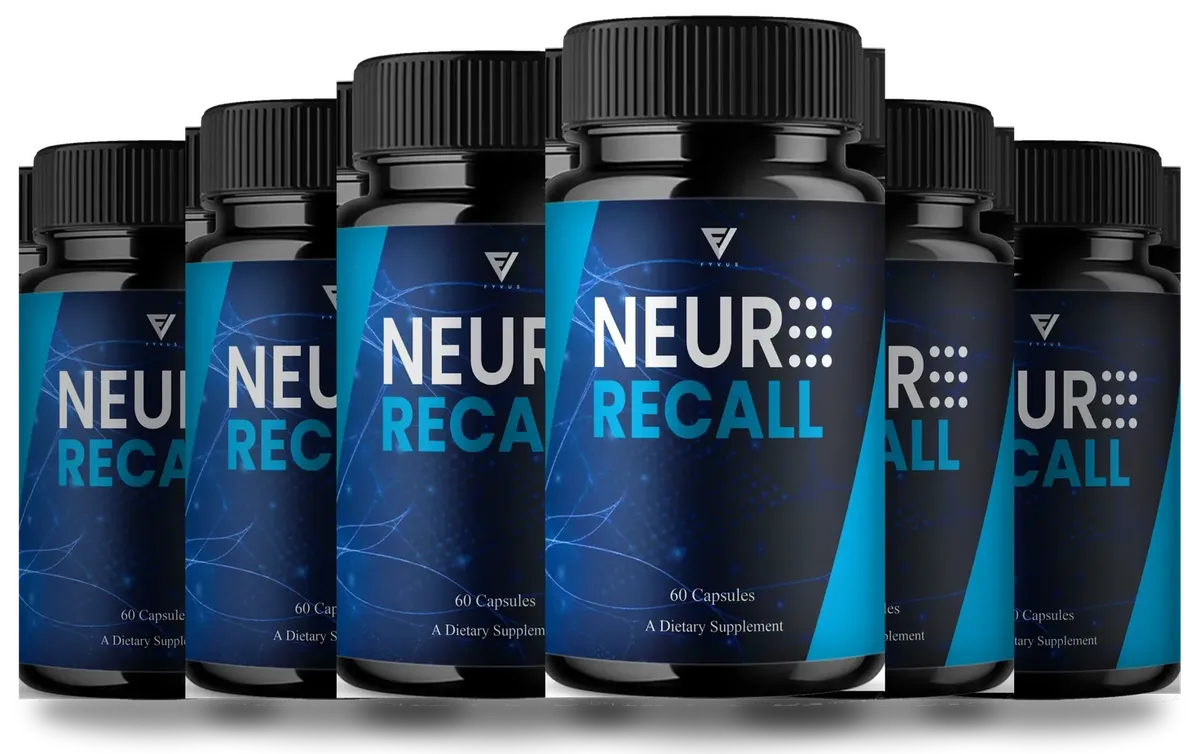
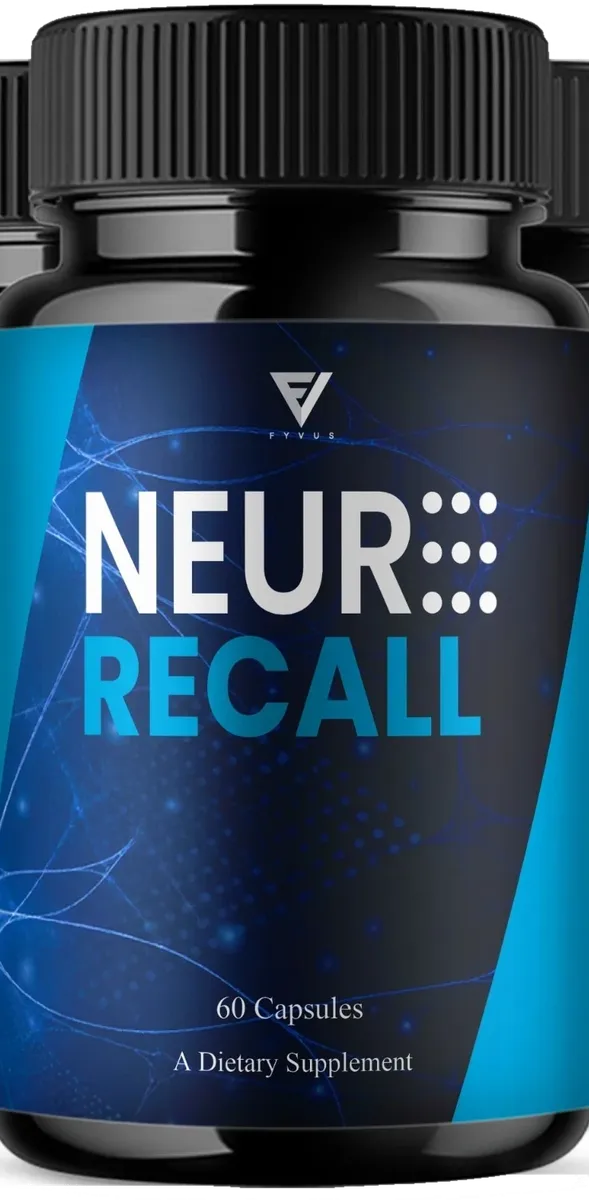
Three facts are missing right now. Pack prices appear on the checkout screen and nowhere in our files. The length of the refund window is printed only on the sales page. The maker is not named, though the bottle in the images carries a FYVUS logo.
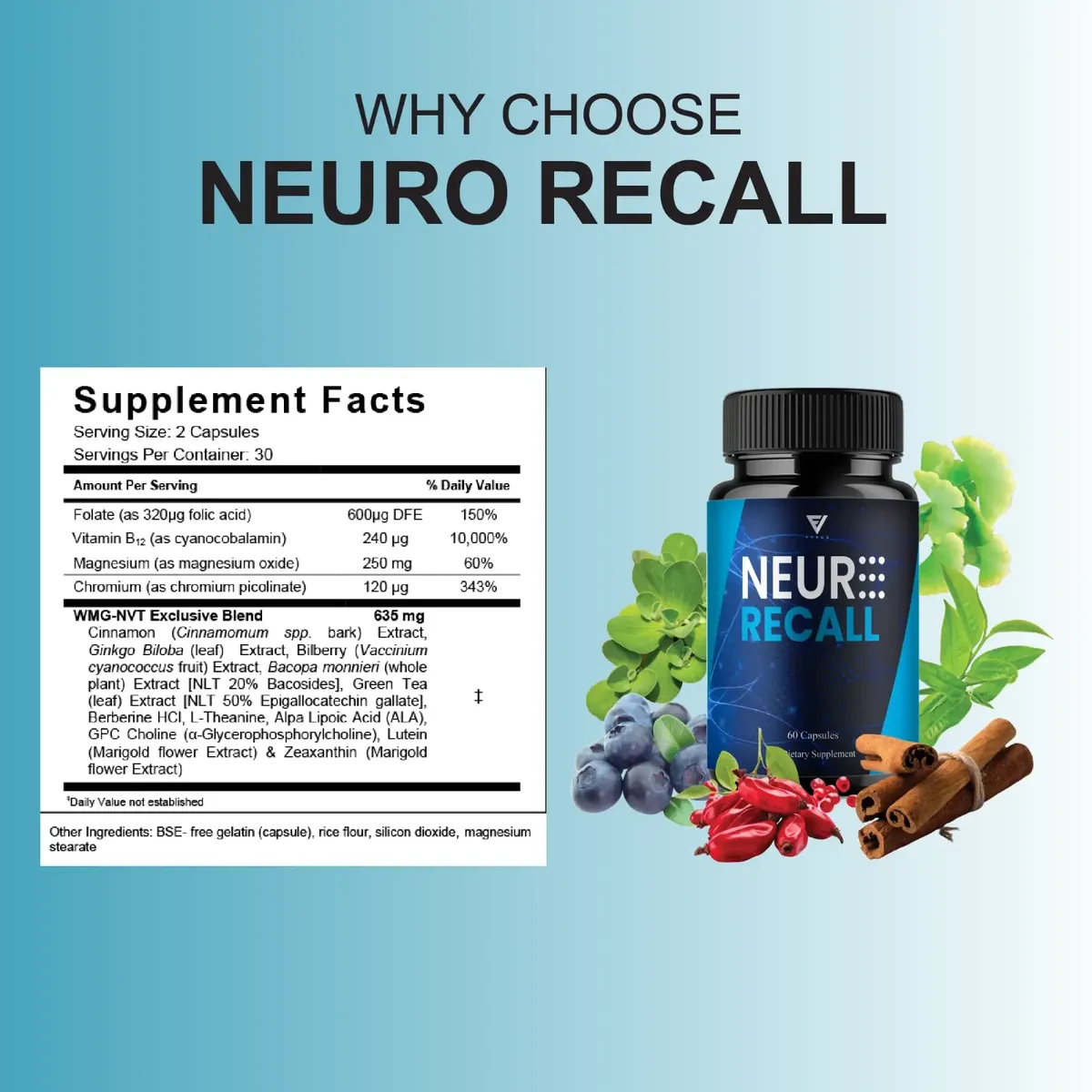
Label math fills one gap honestly. US rules list blend items from heaviest to lightest (21 CFR 101.36). So the item in position n can weigh at most 635 divided by n milligrams. We show those ceilings on the ingredients page and always call them ceilings, not exact amounts.
How does the editorial score work?
Some pages show a desk score. It rates what a buyer can check: label transparency, dose against research, ease of use, price clarity, refund terms and safety notes.
It is not a customer rating, and it does not say whether Neuro Recall works for you. Low marks stay low until the missing facts are published.
Medical review: where it stands
The medical review sits at the foot of every page. Every page is medically reviewed by Dr. James Bateman III, MD, for accuracy against the label and the cited sources. The review covers the product copy, the bottle, the ingredients and every page on this site.
This is general information, not personal medical advice. The reviewer section on our about page lists what that review covers.
How we keep our sales conflict in check
Goneurorecall may earn money when you buy through the order buttons here. That gives us a reason to be kind to the product. These rules push back against that pull.
- 01
One honest note per page
Where it fits, a page states the weak points plainly: small blend amounts, a failed ginkgo trial, no trial of the product itself.
- 02
Safety on every health page
Medicine cautions and the pregnancy warning appear on every health page, not tucked away on one.
- 03
No fake proof
No celebrity quotes, no made-up reviews, no seals passed off as certifications.
- 04
Who should skip it
Pages say who should not take the product, or should ask a doctor first.
How we treat ads, AI videos and scam reports
We report what trusted sources reported and use the word reported. In September 2026, MalwareTips said some ads for Neuro Recall used fake AI celebrity videos and sent buyers to a checkout for a different product (MalwareTips, Sept 2026). We do not accuse any named company beyond what was reported.
We never use a celebrity image or quote. Our ad check page teaches readers to test an ad for themselves.
Corrections and updates
- Report
A reader emails [email protected] with the page and the line in question.
- Check
The desk compares the line with the label images and the source.
- Fix
Errors are corrected on the page. We do not quietly delete them.
- Re-date
The last updated date moves forward on every changed page.
- Review
Sources are re-checked when an agency updates its fact sheet.
Questions about how these pages are made
Why are the Neuro Recall review cards on this site empty?
We publish no customer reviews or star ratings until each one is matched to a real order. The slots stay blank until then, and we say so on the page.
Where does the Neuro Recall information on this site come from?
From the Supplement Facts panel and back label in the brand images, plus government, cancer center and peer-reviewed sources. Every health statement links its source.
Why do your Neuro Recall pages say not published so often?
Because some facts, like prices, the refund window and the maker's name, are not in our files. We would rather say so than guess.
Do you use AI to write these pages?
Writers may use software tools for drafts and checks, but a person on the editorial team checks every fact against the label or a linked source before a page goes live.
Is this site biased because it sells Neuro Recall?
We have a conflict, since we may earn money on purchases. We manage it by printing the weak points, the safety cautions and the missing facts next to the strong points.
What words will you never use about a memory supplement?
We never say a capsule improves, restores or protects memory, prevents dementia, detoxes, or is clinically proven or approved by the FDA. We also never quote a celebrity.
How do you choose which studies to cite?
We prefer large human trials, reviews of several trials and fact sheets from agencies like the NIH. A small lab or animal study is not used to back a claim about people.
How do I report an error on a page?
Email [email protected] with the page address and the line you think is wrong. If we got it wrong, we fix it and move the last updated date.
Who does the medical review?
Dr. James Bateman III, MD. Every page is medically reviewed by him for accuracy against the label and the cited sources, and the medical review box sits at the foot of every page. This is general information, not personal medical advice.
Ready to try Neuro Recall?
Two capsules once a day, a full printed label, and the price shown on the checkout before you pay. Buying for a parent? Show the label to their doctor or pharmacist first.