Alpha Lipoic Acid in Neuro Recall: Side Effects, Blood Sugar and Safety
Quick answerAlpha lipoic acid (ALA) is an antioxidant listed 8th of ten items in the Neuro Recall 635 mg blend, so a serving holds up to 79.4 mg. Researchers have looked at it for blood sugar and nerve health, not for recall. Memorial Sloan Kettering says it can lower blood sugar and add to diabetes medicines. Nausea is a possible side effect.
- Refund terms shown at checkout
- Shipping cost shown before you pay

Alpha lipoic acid on the Neuro Recall label
- Position on the label
- 8 of 10 in the 635 mg blend
- Amount per 2-capsule serving
- Up to 79.4 mg
- Doses used in studies
- Studied mainly for blood sugar and nerves (MSKCC, Alpha-lipoic acid)
- Share of the studied dose
- Not a memory ingredient
- Also called
- ALA (printed “Alpa” on the label)
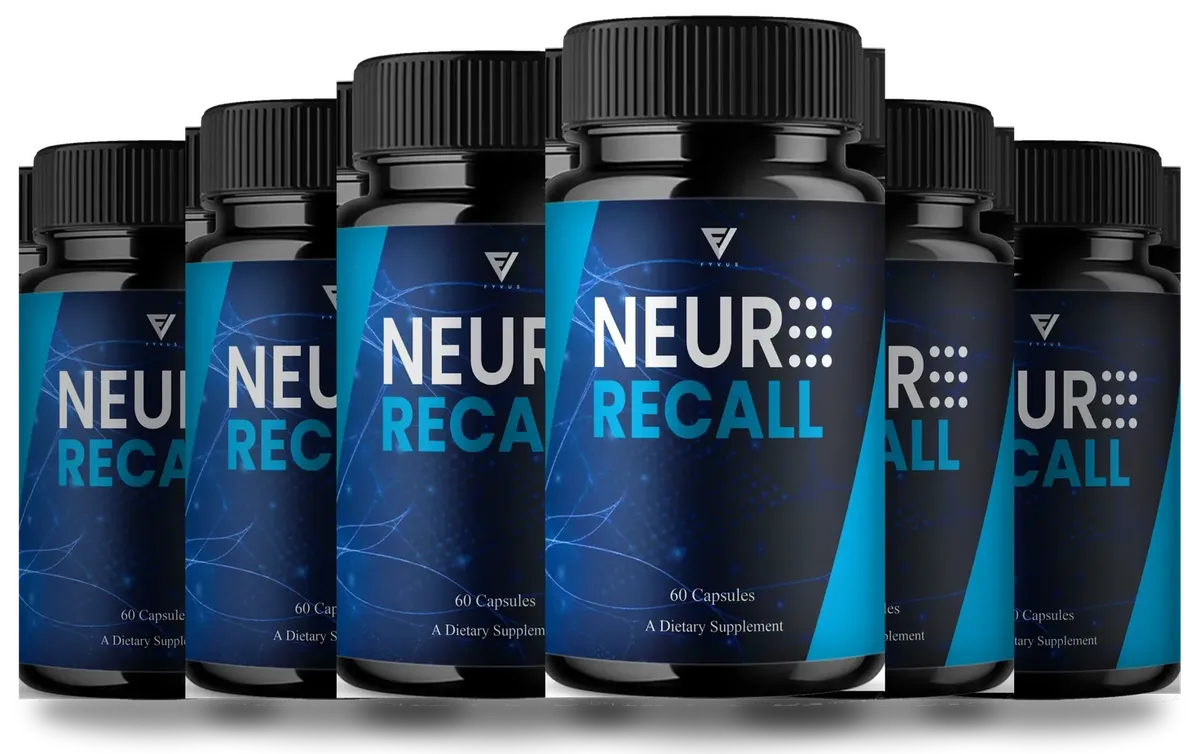
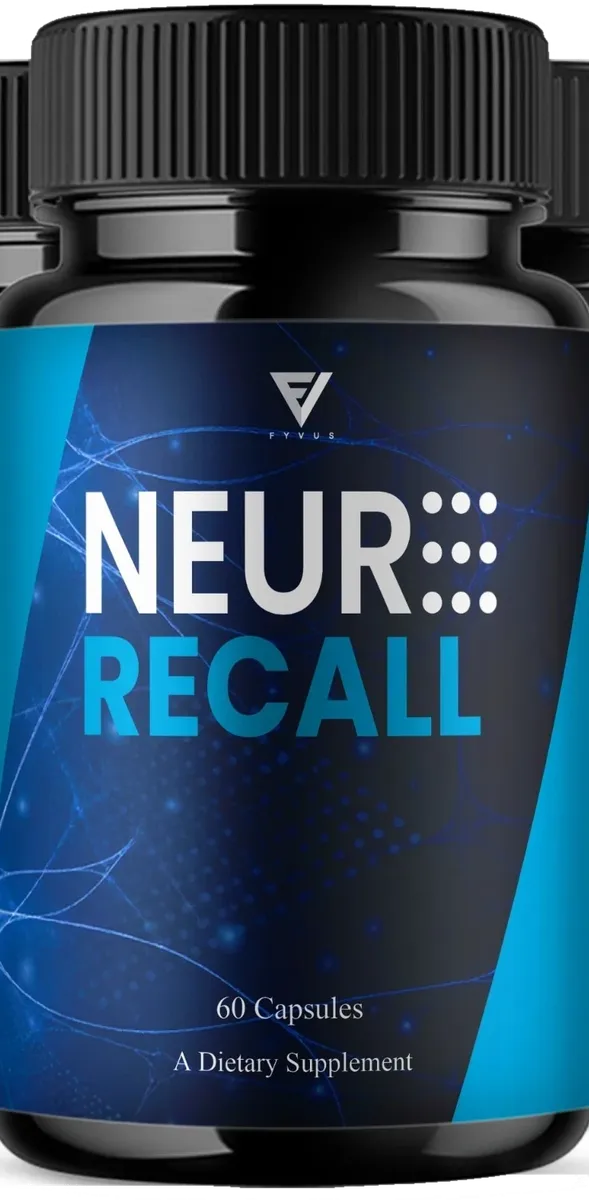
ALA is the 8th item in the WMG-NVT Exclusive Blend, right after L-theanine. The label prints it as “Alpa Lipoic Acid”, which looks like a typo. Label order caps it at 79.4 mg per serving.
No exact milligram figure is printed. The retyped Supplement Facts show the full order, top to bottom.
What is alpha lipoic acid?
It is an antioxidant compound. The body makes a small amount, and supplements sell it in larger doses. You may see it called ALA or lipoic acid.
Research has focused on blood sugar and nerve health (MSKCC, Alpha-lipoic acid). That is a different goal from memory. So in Neuro Recall, ALA reads more like part of a blood-sugar group than a brain ingredient.
Do not mix it up with ALA the omega-3 fat, alpha-linolenic acid. They share initials but are different things.
Alpha lipoic acid and blood sugar: why it matters here
ALA can lower blood sugar, and Neuro Recall puts it next to three other items with the same caution. On their own, each may be small. Together, they deserve a doctor's look if you treat diabetes.
| Item in the formula | Amount per serving | What the source says | Source |
|---|---|---|---|
| Chromium (picolinate) | 120 mcg, exact amount | May cause low blood sugar with insulin or diabetes pills; may cut levothyroxine absorption | (NIH ODS, Chromium) |
| Berberine HCl | Up to 105.8 mg | Interacts with diabetes drugs and several other medicines | (MSKCC, Berberine) |
| Alpha lipoic acid | Up to 79.4 mg | May push blood sugar down, on top of what diabetes drugs already do | (MSKCC, Alpha-lipoic acid) |
| Cinnamon bark extract | At least 63.5 mg | Not clearly shown to help any condition; cassia type carries a liver caution | (NCCIH, Cinnamon) |
Berberine has its own article on berberine and diabetes medicine. Cinnamon is covered on the ingredients page.
What are the side effects of alpha lipoic acid?
Nausea is the side effect our source names. Low blood sugar is the one with the most at stake, mainly for people on diabetes medicine.
Nausea
Named by Memorial Sloan Kettering. Taking the capsules with a meal may help; stop if it keeps up.
Low blood sugar
Shaky, sweaty, hungry or suddenly confused. Most likely with insulin or diabetes pills. Check your sugar and call your doctor.
Loose stools
Not from ALA. The 250 mg of magnesium oxide in Neuro Recall is the likelier cause.
For every ingredient's cautions in one place, see the Neuro Recall side effects page.
How much ALA is in each Neuro Recall serving?
No more than 79.4 mg. The rule behind that number is simple: blend items appear from heaviest to lightest (21 CFR 101.36). The 8th of ten items in 635 mg cannot weigh more than 635 divided by 8.
The real amount could be much smaller. Two items still sit below it, and each must weigh something.
- 8thposition of 10 in the blend
- 79.4 mgthe label-order ceiling
- 2capsules per serving
Who should ask a doctor before taking a product with ALA?
Anyone who manages blood sugar with medicine. Also anyone on thyroid or transplant drugs, because of the other items in the blend. Here is a short guide to the conversation.
| If you take or have | Why it matters | A question to ask |
|---|---|---|
| Insulin | Low blood sugar is the main risk | Should I check my sugar more often for the first weeks? |
| Metformin or other diabetes pills | Effects may stack with ALA, chromium and berberine | Is the combination safe at my dose? |
| Thyroid medicine | Chromium may lower levothyroxine absorption | Should I take them at different times of day? |
| Transplant or many prescriptions | Berberine interacts with cyclosporine, tacrolimus and others | Is this formula off limits for me? |
| No medicines, prediabetes | ALA may still lower sugar a little | Is there any reason to skip it? |
Keep your prescriptions as they are
Do not change or skip a diabetes medicine to make room for a supplement. Keep taking your prescriptions as your doctor set them. The Neuro Recall label also says not to use it if pregnant or nursing.
A blood-sugar plan for caregivers
If a parent with diabetes wants to try this capsule, a little planning keeps things safe. These steps fit around the care plan their doctor already set.
Before the first capsule and after
- Call the doctor's office first and read them the four blood-sugar items from the table above
- Ask whether to check blood sugar more often during the first two weeks
- Keep the usual low-sugar supplies where your parent can reach them
- Give the 2 capsules with a meal, at the same time each day
- Write each sugar reading next to the dose time in a simple log
- Stop the capsules and call the doctor if lows appear or become more frequent
The how to use page has a log table and a weekly pill-organizer plan. The who it is for page has a quick yes-or-no fit check.
How do you raise ALA at a doctor visit?
Bring the label, not just the product name. Doctors and pharmacists can only check what they can see. A short, written plan keeps the visit on track.
- 01
Show the full label
Take the bottle or a clear photo of the Supplement Facts. Point out ALA, chromium, berberine and cinnamon.
- 02
List every medicine
Include diabetes pills, insulin, thyroid pills and anything you take only now and then.
- 03
Share recent sugar readings
A week of numbers helps the doctor judge whether a small extra drop could matter.
- 04
Ask for a yes, a no or a plan
A clear answer is the goal: skip it, try it with more checks, or try it with no changes.
Write the answer down the same day. Memory of a busy appointment fades fast for anyone, at any age.
Honest note: does ALA belong in a memory supplement?
Our sources do not link it to memory. It is a blood-sugar and nerve ingredient sitting in a product named for recall. The same is true of berberine and chromium.
Nobody has published a study of the finished Neuro Recall capsule. The most familiar herb in it, ginkgo, did not lower dementia rates in a large, six-year trial (Snitz et al., JAMA 2009). That is why we describe each part by what it was studied for, not by the product name.
To see the brain-related items, read ginkgo biloba and bacopa monnieri. For a calm-and-sleep item, see L-theanine.
Alpha lipoic acid FAQ: what people ask
What are the side effects of alpha lipoic acid?
Nausea is the side effect named by Memorial Sloan Kettering. The bigger concern is low blood sugar, mainly in people who take diabetes medicine.
Does alpha lipoic acid lower blood sugar?
It can. Memorial Sloan Kettering says ALA may lower blood sugar and add to the effect of diabetes drugs, so people on those medicines should ask a doctor first.
Can I take alpha lipoic acid with metformin or insulin?
Only with your doctor's OK. ALA may add to the sugar-lowering effect, and Neuro Recall also contains chromium, berberine and cinnamon, which raise the same question.
How much alpha lipoic acid is in Neuro Recall?
Up to 79.4 mg per 2-capsule serving. It is 8th of ten items in a 635 mg blend, and the label does not print the exact amount.
Why does the Neuro Recall label say “Alpa” lipoic acid?
It appears to be a spelling slip on the label. The item is alpha lipoic acid, the antioxidant often shortened to ALA.
Does alpha lipoic acid help memory?
Our sources do not show a memory benefit. ALA is studied mainly for blood sugar and nerve health, so it is not the memory part of the formula.
What are the signs of low blood sugar to watch for?
Common signs include shakiness, sweating, a fast heartbeat, hunger, sudden confusion or irritability. Follow the low-sugar plan from your care team and call your doctor.
Can people without diabetes take alpha lipoic acid?
Adults without diabetes can, but anyone on prescriptions should still check with a doctor first. Nausea is possible, and pregnancy or nursing rules out this product.
Should I take alpha lipoic acid with food?
The Neuro Recall label does not say. Taking the 2 capsules with a meal is a common tip if nausea or stomach upset shows up.
Is alpha lipoic acid the same as alpha-linolenic acid?
No. Both get shortened to ALA, but alpha-linolenic acid is an omega-3 fat found in foods like flaxseed. Neuro Recall lists alpha lipoic acid, the antioxidant.
Ready to try Neuro Recall?
Two capsules once a day, a full printed label, and the price shown on the checkout before you pay. Buying for a parent? Show the label to their doctor or pharmacist first.