How Can You Keep Your Brain Healthy After 50? Habits Before Any Neuro Recall
Quick answerThe habits most linked with a healthy brain after 50 are plain ones: steady sleep, moving most days, keeping blood pressure and blood sugar in range, getting hearing checked, staying in touch with people and eating mostly whole foods. None is a cure, and no capsule replaces them. Start with one change you can keep.
- Refund terms shown at checkout
- Shipping cost shown before you pay
Why start with habits instead of pills?
We sell a memory supplement, so it may seem odd to start with habits. But habits are where the real work happens. They cost little, they help the heart and mood as well as the brain, and they are safe for almost everyone.
Supplements marketed for memory have mixed and mostly weak evidence. NCCIH keeps a plain overview of that research if you want to read it (NCCIH, Supplements for cognitive function). This post sticks to everyday steps that most doctors would welcome.
- 8everyday habits in this guide
- 1change to start with this week
- 0capsules that replace them
Which brain health habits matter most after 50?
None of these habits is new. That is the point. Each one is simple, each one is good for the whole body, and each one gets easier with practice.
- 01
Protect your sleep
Go to bed and get up at about the same time. Keep the bedroom dark and cool. Loud snoring or gasping at night is worth a doctor visit.
- 02
Move most days
Walking, swimming, gardening and dancing all count. Add light strength work twice a week if your doctor agrees.
- 03
Know your blood pressure
High blood pressure often has no symptoms. Get it checked and follow the plan if it is high.
- 04
Keep blood sugar in range
Ask about an A1C test at checkups. If you have diabetes, keep up with the care plan.
- 05
Check hearing and vision
Untreated hearing loss makes talks tiring and can lead people to pull away. Glasses and hearing aids help you stay in the game.
- 06
Stay in touch
Call a friend, join a group, volunteer or help with grandkids. Regular contact keeps the mind busy in good ways.
- 07
Eat mostly whole foods
Fill most of the plate with vegetables, fruit, beans and whole grains. Add fish and nuts if you like them.
- 08
Go easy on alcohol and skip tobacco
Both strain the heart and blood vessels. Ask your doctor for help quitting if you smoke.
Why the list overlaps with heart health
Habits that keep the heart and blood vessels healthy tend to show up on brain-health lists too. That is good news. One walk or one blood pressure check helps more than one organ.
You do not need all eight at once. Pick the one that feels easiest, keep it for a month, then add the next.
What does a simple brain-healthy week look like?
Big plans tend to fade by week three. A small plan spread across the week is easier to keep. Here is one sample week. Swap any day to fit your life.
| Day | Small step | Why it helps | Time needed |
|---|---|---|---|
| Monday | A 20-minute walk after lunch | Movement and daylight | 20 minutes |
| Tuesday | Call a friend or relative | Social contact | 15 minutes |
| Wednesday | Cook one meal with beans or fish | Whole-food eating | 40 minutes |
| Thursday | Check your blood pressure at home or a pharmacy | Know your numbers | 10 minutes |
| Friday | Try a new recipe, song or word game | New learning | 20 minutes |
| Saturday | A longer walk with someone | Movement plus company | 45 minutes |
| Sunday | Set the same bedtime for the week ahead | Steady sleep | 5 minutes |
Which health checks support brain health?
Some brain health steps happen in the clinic, not at home. Many problems that affect thinking can be found with simple checks. Bring this list to your yearly visit and ask which ones are due.
Blood pressure
Checked at every visit. Home readings help your doctor see the full picture.
Blood sugar
An A1C or fasting test, often yearly. Ask how often you need it.
Hearing
A hearing test if family says the TV is loud or you miss words in groups.
Vision
Regular eye exams. Clear sight keeps you reading, driving and active.
Vitamin B12
A blood test if you are older, take metformin or acid reducers, or eat no animal foods.
Why test B12 firstMood and sleep
Low mood and poor sleep both affect memory. Both can be treated.
How to improve memory naturally in daily life
Everyone forgets where the keys went sometimes. A few tools make daily life smoother, at any age. They also take pressure off, which helps attention.
Everyday memory helpers
- Keep keys, wallet and glasses in one bowl by the door
- Use one calendar, paper or phone, for every appointment
- Set phone alarms for pills, or use a weekly pill box
- Say a new name out loud and use it once in the talk
- Turn off the TV when you need to focus on a task
- Write a short list before you go to the store
- Do one thing at a time when it matters
How can adult children help a parent with these habits?
Adult children often want to help a parent build these habits. Nagging rarely works. Joining in does. Offer to walk together, cook together or drive to the hearing test. Make it something you share, not something you assign.
Keep your own habits in view too. Caregivers often skip sleep and meals. Our caregiver guide covers how to help a parent with memory changes while looking after yourself.
Where do supplements fit after 50?
Supplements come after habits, not before. A vitamin B12 pill can help a person who is low, and a blood test can tell you that. Beyond that, the evidence for memory supplements is thin.
Honest note
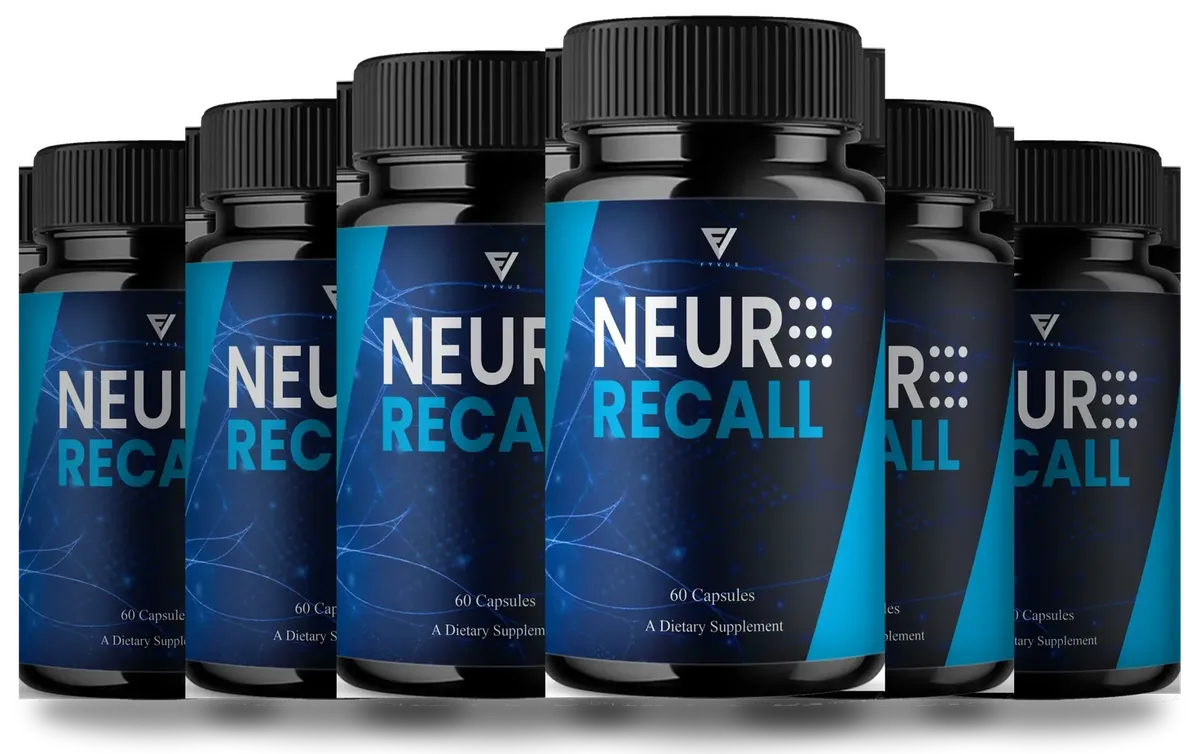
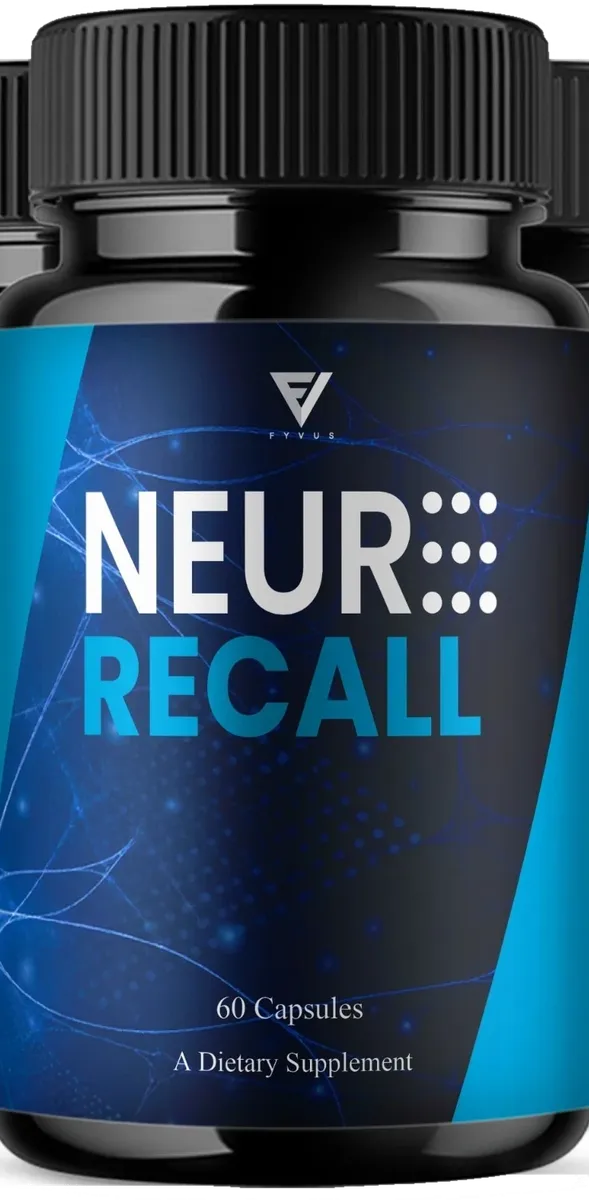
Neuro Recall is a 2-capsule daily supplement with B12, folate, magnesium, chromium and a 635 mg blend of ten herbs and nutrients. Its most famous herb, ginkgo, did not lower dementia rates in a large trial. The bacopa in it reaches half the research amount at most, and the capsule itself has never been trialed. If you choose to try it, read the ingredients page and ask your doctor about your medicines first. Our benefits page lays out what can and cannot be said.
Habits are for everyday health, not for warning signs
Memory loss that disrupts daily life is a reason to see a doctor (Alzheimer's Association, 10 warning signs). Sudden confusion, trouble speaking, or weakness on one side means call 911 (CDC, Stroke signs).
Brain health after 50 FAQ
How can I keep my brain healthy after 50?
Sleep well, move most days, keep up with checkups for blood pressure, blood sugar and hearing, and stay social. Small habits kept for years matter more than any single product.
How to improve memory naturally after 50?
Simple tools help everyday memory: a calendar, a set place for keys, good sleep and fewer distractions. Habits that support heart health are also linked with brain health.
Does walking help your brain?
Regular physical activity is linked with better overall health, including heart and blood vessel health that the brain depends on. Walking is an easy place to start if your doctor agrees.
Can hearing loss affect memory?
Hearing loss can make it harder to follow talks and stay social. Ask for a hearing test if you often ask people to repeat themselves.
How much sleep do adults over 50 need?
Needs vary from person to person; waking up rested is a useful guide. If you snore loudly or wake up tired, ask your doctor about a sleep check.
What foods are good for the brain?
Eating patterns rich in vegetables, fruit, beans, whole grains, nuts and fish are often linked with good health. No single food is a memory cure.
Are brain games worth it?
Learning something new and hard, like a language or an instrument, keeps you engaged. Puzzles are fine for fun, but do not expect them to stop memory changes on their own.
Do brain health supplements work?
Evidence is weak for most of them. NCCIH has an overview of what research shows, and a B12 test is more useful than guessing if you suspect a low level.
When should I worry about forgetfulness after 50?
Worry when forgetting disrupts daily life, such as missed bills, getting lost or repeating the same question. Then book a doctor visit and bring notes.
Can a supplement like Neuro Recall replace healthy habits after 50?
No. Sleep, movement, hearing checks, time with friends and whole foods come first, and no capsule replaces them. Neuro Recall is a dietary supplement you may add later, once your doctor agrees it fits your medicine list.
What brain habit should I start before trying Neuro Recall?
Pick one you can keep, such as a steady bedtime or a daily walk. Small habits you repeat beat big plans you drop. Add hearing and blood pressure checks, then talk to your doctor before any memory supplement.
Habits first. A supplement is optional.
If you want to add Neuro Recall to a healthy routine, ask your doctor first, read the full label, and check the price and refund terms on the checkout.